
The Hidden Dangers of Untreated Cracked Teeth for Moultonborough Residents
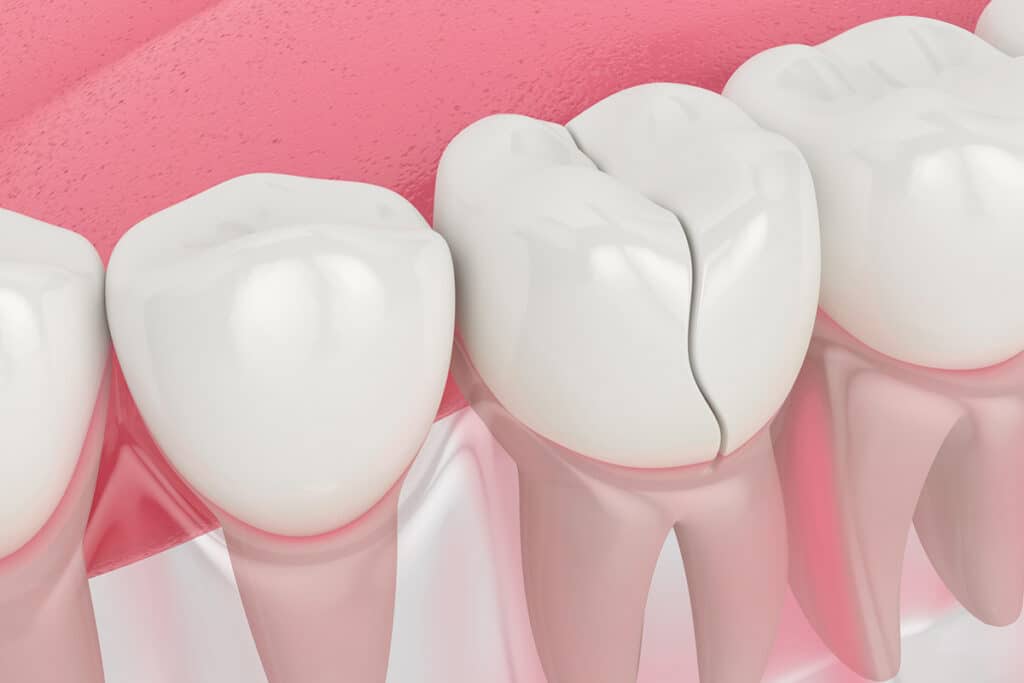
A cracked tooth may seem like a minor problem at first. Many people notice occasional sensitivity when drinking something cold or feel a slight twinge when chewing, only to dismiss it and move on with their day. Unfortunately, even a small crack can create serious dental complications when left untreated.
For Moultonborough residents, understanding the risks associated with cracked teeth is essential. Cracks rarely heal on their own. Instead, they often worsen over time, allowing bacteria to enter the tooth and potentially leading to infection, pain, and even tooth loss. The good news is that prompt evaluation and treatment by an endodontist can often save the natural tooth and prevent more extensive procedures later.
What Causes a Tooth to Crack?
Teeth are remarkably strong, but they are not indestructible. Everyday habits and unexpected accidents can place significant stress on tooth structure over time.
Common causes of cracked teeth include:
• Biting down on hard foods such as ice, nuts, or hard candy
• Teeth grinding and clenching, especially during sleep
• Large fillings that weaken the remaining tooth structure
• Sports injuries or accidental falls
• Sudden temperature changes from consuming very hot and cold foods
• Age-related wear and tear
Some cracks are immediately noticeable, while others develop gradually and produce only subtle symptoms. Patients may experience intermittent pain when chewing, sensitivity to temperature changes, or discomfort that seems difficult to pinpoint.
Because these symptoms often come and go, many people delay treatment. Unfortunately, waiting can allow the crack to spread deeper into the tooth.
Why Small Cracks Can Become Major Problems
One of the most dangerous aspects of a cracked tooth is that the damage is often hidden below the surface. What appears to be a tiny crack in the enamel may actually extend into deeper layers of the tooth.
When a crack reaches the dentin or pulp, bacteria gain access to areas that are normally protected. The pulp contains nerves, blood vessels, and connective tissue that help keep the tooth healthy. Once bacteria invade this space, inflammation and infection can develop.
As the crack expands, patients may experience:
• Increased sensitivity
• Sharp pain when biting
• Persistent toothaches
• Swelling around the tooth
• Difficulty chewing normally
The longer the problem remains untreated, the greater the risk that the crack will compromise the tooth's long-term health and stability.
Infection Can Develop Without Warning
One of the most significant dangers of untreated cracked teeth is infection within the pulp chamber.
A crack creates a pathway that allows bacteria to travel into the center of the tooth. Once infection develops, the pulp tissue may become inflamed or die entirely. At this stage, patients often experience severe pain, although some infections can progress with surprisingly few symptoms.
An untreated infection may eventually spread beyond the tooth root and into surrounding bone and tissues. This can result in:
• Dental abscesses
• Swelling in the gums or face
• Drainage near the affected tooth
• Bone loss around the root
• Increased risk of tooth loss
In some cases, patients only discover the severity of the problem after significant damage has already occurred. Early diagnosis allows treatment before complications become more difficult to manage.
Cracks Can Threaten the Entire Tooth
When a crack continues to grow, it can compromise the structural integrity of the entire tooth.
Chewing places constant pressure on teeth. Every bite can cause a crack to widen slightly. Over weeks, months, or years, the fracture may extend deeper into the root.
Some cracks remain repairable when treated early. However, once a crack reaches certain portions of the root system, saving the tooth may become impossible.
A tooth with an advanced vertical root fracture often requires extraction because the damage extends beyond what restorative or endodontic treatment can predictably repair.
This is why early intervention is so important. A crack that might have been treated successfully with a crown or root canal can eventually progress to a stage where tooth removal becomes the only option.
How Endodontists Diagnose Cracked Teeth
Cracked teeth can be challenging to diagnose because many fractures are difficult to see with the naked eye.
Endodontists receive advanced training in identifying and treating problems involving the inside of the tooth. Specialized tools and imaging technologies help reveal damage that may not appear during a routine dental examination.
At Elite Endodontics of NH, patients have access to advanced diagnostic technology, including 3D cone beam imaging, which helps clinicians evaluate complex tooth conditions with greater precision. The practice also provides treatment for cracked teeth and other endodontic concerns.
During an evaluation, an endodontist may:
• Review symptoms and dental history
• Perform bite testing
• Examine the tooth under magnification
• Use advanced imaging to assess the crack's extent
• Evaluate pulp health and nerve function
Accurate diagnosis is critical because treatment recommendations depend heavily on the location and severity of the fracture.
Treatment Options for Cracked Teeth
The appropriate treatment depends on how far the crack has progressed.
For minor cracks affecting only the outer layers of the tooth, restorative treatment may be sufficient to stabilize and protect the tooth.
When a crack reaches the pulp and causes inflammation or infection, root canal treatment is often recommended. Root canal therapy removes damaged tissue, disinfects the interior of the tooth, and seals the canals to prevent further infection.
Elite Endodontics of NH provides comprehensive endodontic services, including root canal therapy, retreatment, treatment of cracked teeth, and emergency dental care. Their practice utilizes advanced technology designed to improve diagnostic accuracy and treatment outcomes.
After root canal treatment, a crown is frequently placed to strengthen and protect the tooth from future fracture.
The goal is always to preserve the natural tooth whenever possible. Endodontic treatment allows many patients to maintain healthy, functional teeth for years after treatment.
Signs You Should Never Ignore
Because cracked teeth do not always produce constant pain, patients sometimes assume the problem is not serious.
However, several warning signs should prompt immediate evaluation:
• Pain when biting or releasing pressure
• Sensitivity to hot or cold temperatures
• Intermittent sharp discomfort
• Swelling around a tooth
• A tooth that feels different when chewing
• Persistent toothaches with no obvious cause
Even if symptoms seem mild, early assessment can help prevent more extensive treatment later.
Protecting Your Teeth from Future Cracks
While not every crack can be prevented, several strategies can reduce risk.
Wear a custom nightguard if you grind or clench your teeth. Avoid chewing on hard objects such as ice, pens, or hard candy. Use protective mouthguards during sports and recreational activities. Regular dental examinations also help identify weakening teeth before fractures occur.
Patients with large fillings, previous dental work, or a history of cracked teeth should be especially proactive about preventive care.
Protecting Your Smile for the Future
A cracked tooth may seem minor today, but untreated fractures can lead to infection, worsening pain, structural damage, and even tooth loss. Acting early gives you the best chance of preserving your natural tooth and avoiding more complex procedures.
For Moultonborough residents experiencing symptoms of a cracked tooth, timely evaluation by an experienced endodontist can make all the difference. Early diagnosis and treatment of cracked teeth help protect your oral health, relieve discomfort, and preserve your smile for years to come.
Frequently Asked Questions About Cracked Teeth
Can a cracked tooth heal on its own?
No. Unlike other parts of the body, teeth cannot repair cracks naturally. Once a crack develops, professional evaluation and treatment are necessary to prevent it from worsening.
Does every cracked tooth require a root canal?
Not always. Treatment depends on the depth and location of the crack. Minor cracks may only require restorative treatment, while deeper cracks involving the pulp often need root canal therapy.
How can I tell if my tooth is cracked?
Symptoms often include pain when chewing, sensitivity to temperature changes, intermittent discomfort, or unexplained tooth pain. Some cracks produce very few symptoms, making professional evaluation important.
What happens if I wait too long to treat a cracked tooth?
Delaying treatment can allow the crack to spread, increasing the risk of infection, root damage, and tooth loss. Early intervention typically provides more treatment options and better outcomes.
Are cracked teeth considered dental emergencies?
Some are. If a cracked tooth causes severe pain, swelling, or signs of infection, prompt treatment is recommended. Elite Endodontics of NH offers emergency endodontic services and prioritizes urgent dental concerns whenever possible.
At Elite Endodontics of NH, we are dedicated to helping patients preserve their natural teeth through advanced endodontic care. Our experienced team combines compassionate treatment with modern technology to diagnose and treat complex dental issues, including cracked teeth, root canal infections, and dental emergencies. We are committed to providing personalized care that helps patients maintain healthy smiles for years to come. Contact us today to schedule a consultation.