
Root Canal vs. Extraction: Making the Right Choice for Your Long-Term Oral Health
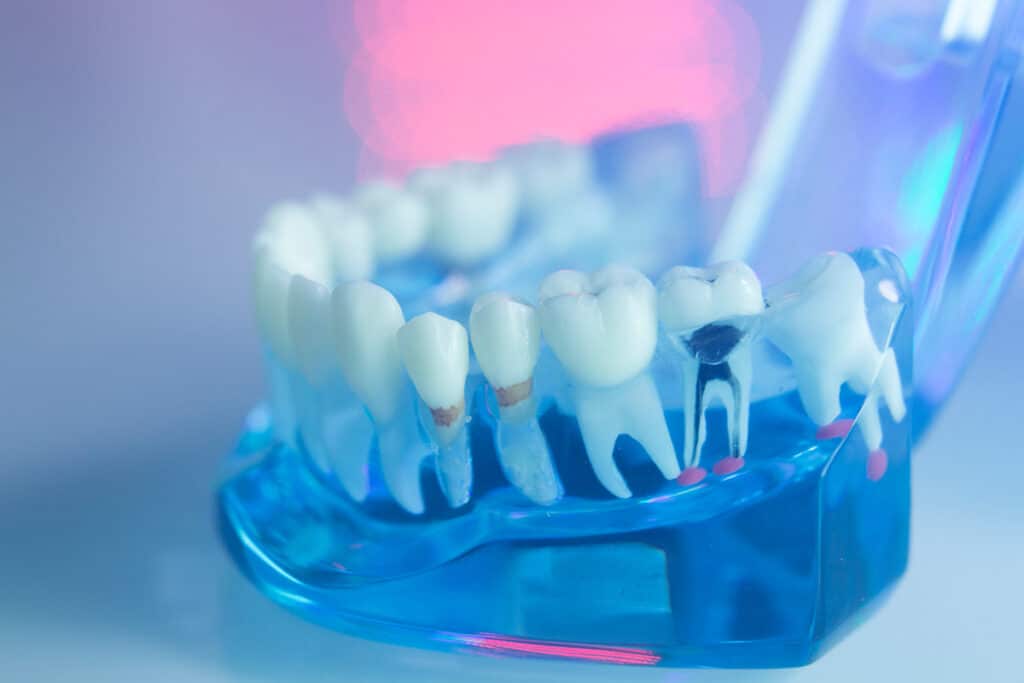
When a tooth becomes severely damaged or infected, patients are often faced with a difficult decision: save the tooth with treatment or remove it altogether. Understanding the difference between root canal therapy and tooth extraction is essential for protecting your long-term oral health. Each option has its place, but the right choice depends on the condition of the tooth, your overall dental health, and your future smile goals.
At Elite Endodontics of NH, we focus on helping patients make informed decisions by explaining their options clearly and honestly. Preserving your natural teeth whenever possible is usually the healthiest option, but there are times when extraction may be necessary. Knowing what each procedure involves can help you feel confident moving forward.
What Is Root Canal Therapy and Why Is It Recommended?
Root canal therapy is a specialized dental procedure designed to save a tooth that has been compromised by deep decay, trauma, or infection. When the inner pulp of the tooth becomes inflamed or infected, it can cause significant pain and swelling. During root canal therapy, the infected tissue is carefully removed, the inside of the tooth is cleaned and disinfected, and the tooth is sealed to prevent future issues.
This treatment allows the tooth to remain in place and continue functioning normally. Modern techniques and advanced technology have made root canal therapy far more comfortable than its reputation suggests. In many cases, patients report that the procedure feels similar to receiving a routine filling.
One of the biggest advantages of root canal therapy is that it preserves your natural tooth structure. Keeping your own tooth helps maintain proper chewing function, jaw alignment, and the natural appearance of your smile. Over time, this can prevent complications that sometimes follow tooth loss.
When Tooth Extraction Becomes Necessary
Tooth extraction involves completely removing a damaged or diseased tooth from the jaw. While dentists and specialists prefer to save natural teeth whenever possible, extraction may be recommended in certain situations. These can include severe fractures, advanced periodontal disease, or infections that cannot be effectively treated with root canal therapy.
In some cases, a tooth may be too damaged to support a restoration, even after treatment. Removing the tooth can eliminate pain and prevent infection from spreading to surrounding teeth and bone. Extraction may also be part of a broader treatment plan, such as orthodontic care or preparation for a dental implant.
It is important to understand that extraction is not the end of treatment. After a tooth is removed, replacing it is often recommended to maintain oral health. Options such as dental implants, bridges, or partial dentures can restore function and appearance, but they typically involve additional procedures and costs.
Comparing Long-Term Oral Health Outcomes
When deciding between root canal therapy and extraction, long-term oral health should be a primary consideration. Saving a natural tooth generally provides the best outcome for your bite, jawbone health, and surrounding teeth. Natural teeth help stimulate the jawbone during chewing, which prevents bone loss over time.
Extraction, if not followed by proper tooth replacement, can lead to shifting teeth, bite problems, and changes in facial structure. Even when a replacement is planned, it often requires more time and coordination than saving the original tooth.
Root canal therapy has a high success rate and can allow a treated tooth to last for many years, often a lifetime with proper care. By preserving the tooth, patients often avoid the need for more complex restorative treatments down the road. This makes root canal therapy a cost effective and conservative option in many cases.
Pain, Recovery, and Cost Considerations
Many patients worry about discomfort when choosing between these procedures. Thanks to modern anesthesia and advanced techniques, both root canal therapy and extraction are typically well tolerated. Root canal therapy often relieves pain by removing the source of infection, while extraction may involve a slightly longer recovery period as the surrounding tissue heals.
Recovery after root canal therapy is usually quick, with most patients returning to normal activities the same day. Mild tenderness is common but temporary. Extraction recovery can vary depending on the complexity of the procedure and whether a replacement tooth is planned.
From a cost perspective, root canal therapy may initially seem more expensive than extraction alone. However, when you factor in the cost of replacing an extracted tooth, saving the tooth often becomes the more affordable long-term solution. Preserving your natural tooth can reduce future dental expenses and complications.
How Endodontic Expertise Makes a Difference
Choosing an endodontic specialist for root canal therapy can significantly impact the outcome of your treatment. Endodontists receive advanced training focused specifically on diagnosing and treating issues inside the tooth. This expertise allows for precise care, improved comfort, and a higher likelihood of long-term success.
At Elite Endodontics of NH, advanced imaging and specialized techniques are used to evaluate each case carefully. This ensures that patients receive the most appropriate treatment based on their unique needs. Whether a tooth can be saved or requires removal, having a clear diagnosis helps guide the best possible decision.
Working closely with your general dentist, an endodontist plays a critical role in preserving oral health and supporting comprehensive care. This team approach helps patients achieve lasting results.
Choosing the Best Path for Your Smile
Deciding between root canal therapy and extraction is not always straightforward, but understanding the long-term impact of each option can make the choice clearer. Whenever possible, preserving your natural tooth offers the greatest benefits for function, appearance, and oral health. Root canal therapy is a proven, effective way to save teeth that might otherwise be lost.
If you are experiencing tooth pain or have been told you need treatment, seeking expert evaluation is the first step. The right choice is the one that protects your smile today and supports your oral health for years to come.
Frequently Asked Questions About Root Canal Therapy
Is root canal therapy safe and effective?
Yes, root canal therapy is a safe and well established procedure with a high success rate. When performed by an experienced endodontist, it can relieve pain and allow the tooth to function normally for many years.
How do I know if I need a root canal or an extraction?
The decision depends on the extent of damage or infection in the tooth. A thorough evaluation, including imaging and clinical examination, is needed to determine whether the tooth can be saved or should be removed.
We are Elite Endodontics of NH, a specialty practice dedicated to diagnosing and treating complex tooth pain and infections. Our team focuses on preserving natural teeth through advanced endodontic care and patient centered treatment. We work closely with referring dentists to support long-term oral health for our patients. Contact us today to learn more and schedule an appointment.